What to Expect When Deciding to do Vehicle Wraps For Your Vehicle
Vehicle wraps have become a popular way to customize and protect vehicles while also serving as a tool for brand promotion. This article will guide you through what to expect when considering a wrap, from understanding the basics to maintaining your newly wrapped vehicle.
Understanding Vehicle Wraps
Definition and Types
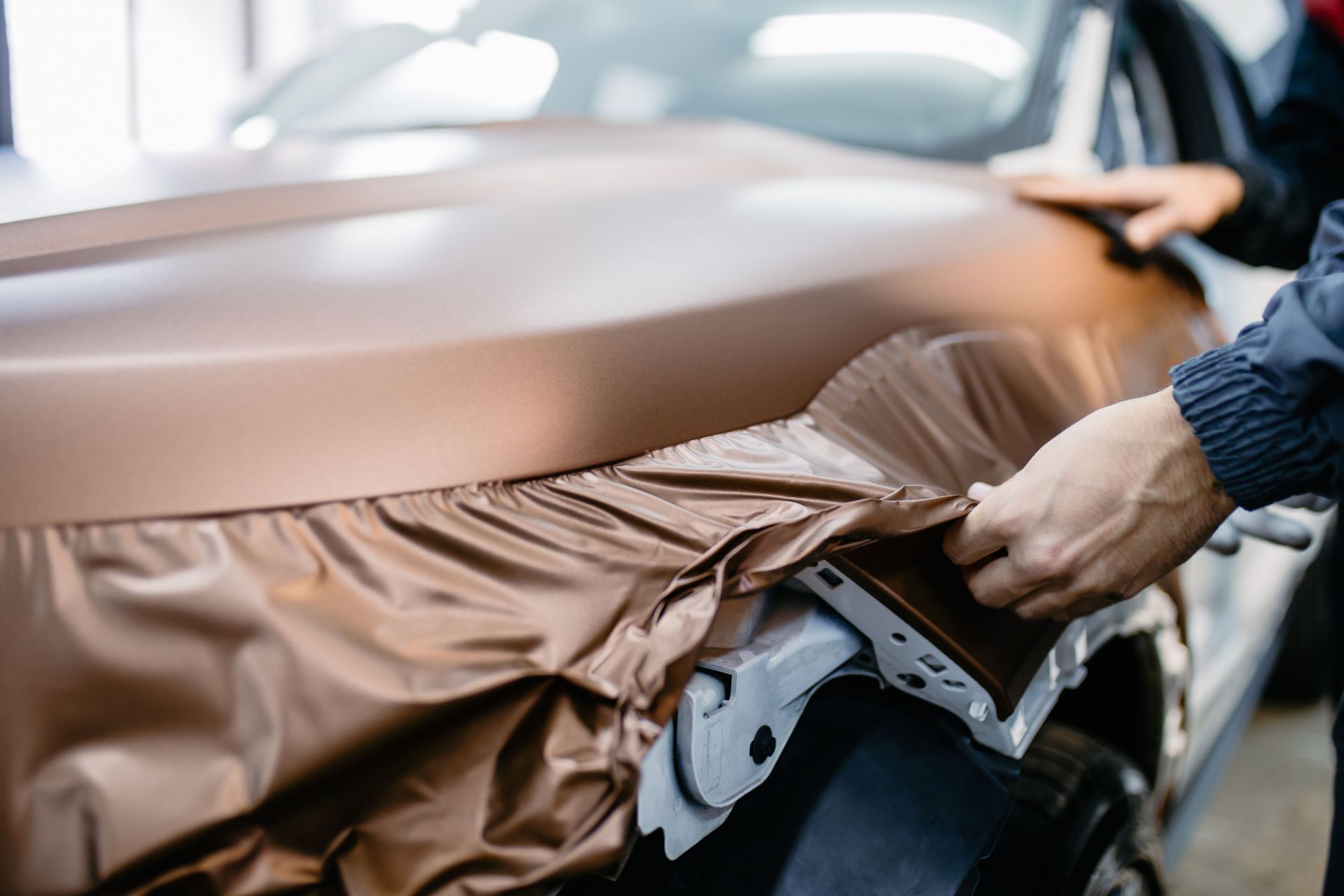
Vehicle wraps refer to vinyl graphics or decals that are applied over the paintwork of a vehicle. They have gained immense popularity due to their versatility and cost-effectiveness compared to custom paint. Essentially, wraps can change the color and appearance of vehicles without permanent alterations. There are primarily two types of wraps: full wraps, covering the entire vehicle, and partial wraps, which cover specific sections. Each type serves different purposes, from full branding to slight aesthetic enhancements.
The selection between a full or partial wrap depends on budget and design needs. A full wrap offers comprehensive coverage, providing more space for graphics and creating a uniform look. Meanwhile, partial wraps are ideal for smaller budgets or when you want to highlight specific areas, like the doors or rear of the vehicle. Both types of wraps can be tailored to fit any design requirement, making them a flexible solution for personal and commercial applications. Understanding these types will help in making an informed decision on which suits your needs best.
Moreover, wraps are reversible, allowing vehicle owners to return their cars to their original appearance without affecting the underlying paint. This reversibility makes them an excellent option for leased vehicles that need to maintain their original condition. The technology behind wraps also means that they can be easily updated or changed, providing flexibility for advertisers. Unlike traditional paint jobs, which are time-consuming and permanent, wraps offer a temporary yet durable solution. This adaptability is one of their key selling points, appealing to a wide range of consumers and businesses alike.
Benefits of Vehicle Wraps
One of the primary benefits of vehicle wraps is their ability to protect the original paintwork. They act as a protective barrier against environmental elements such as UV rays, dirt, and minor abrasions. This protection helps the underlying paint stay in better condition, potentially increasing the resale value of the vehicle. According to Research and Markets, the minimum service life for good quality automotive wrap ranges from five to six years, making it a long-lasting option. Thus, vehicle wraps not only enhance appearance but also serve as an investment in maintaining vehicle integrity.
Additionally, vehicle wraps offer strong customization options. Whether for personal enjoyment or business branding, wraps provide a wide range of design possibilities. From solid colors to intricate graphic designs, there's a wrap solution for every aesthetic. For businesses, wraps turn vehicles into mobile billboards capable of reaching a vast audience. This makes them a cost-effective advertising medium, with the potential to enhance brand visibility and recognition significantly.
Beyond aesthetics and advertisement, wraps are also easy to clean and maintain. Unlike paint, which can fade and chip over time, high-quality vinyl wraps maintain their color and finish over years with minimal maintenance. A simple wash with soap and water is usually sufficient to keep them looking fresh and new. Furthermore, if only part of the wrap is damaged, it can typically be replaced without needing an entirely new wrap. This convenience in upkeep makes vehicle wraps an attractive option for those seeking durability and style without extensive maintenance.
Cost Considerations
The cost of vehicle wraps varies depending on several factors, including the size of the vehicle, wrap coverage, material quality, and design complexity. Full wraps for larger vehicles like vans or trucks naturally incur higher costs, given their need for more materials and labor. Detailed designs with custom graphics or textures can also increase overall expenses. However, these initial investments often translate into durable and attention-grabbing visuals. Weighing these factors alongside the advantages vehicle wraps offer can justify the initial expense.
Budgets for vehicle wraps typically range from a few hundred to several thousand dollars. High-quality materials and professional installation contribute to a smoother finish and enhanced wrap longevity. Given the potential return on investment through brand exposure or vehicle personalization, many find the upfront cost justified. Businesses often offset these costs by considering the long-term benefits of effective mobile advertising. Financial factors, combined with anticipated benefits, should be carefully balanced when deciding to invest in a vehicle wrap.
Choosing the Right Design
Understanding Your Purpose
The first step in selecting an appropriate vehicle wrap design is identifying its primary purpose. Are you seeking to personalize your vehicle, or is your goal predominantly commercial, aimed at increasing brand visibility? Understanding this primary objective helps shape other design-related decisions, such as color schemes and graphic inclusions. For personal customization, the aim might be artistic or fashionable, reflecting individual tastes or trends. On the other hand, when wrapping for business purposes, making sure brand elements are front and center becomes crucial.
Clear objectives also aid in deciding between a bold or subtle approach. A business-centric wrap might prioritize large, eye-catching graphics and color contrasts that stand out on busy streets. Alternatively, a vehicle wrap for personal use might focus more on sleek or understated designs that align with the vehicle owner's style. Estimating the desired response from your audience, whether causing stares or conveying professionalism, influences the wrap's design strategy. Thus, understanding your goals inevitably leads to a more cohesive and impactful wrap design.
It's also helpful to consider the environments where the vehicle will likely be seen. For city driving, designs that can be easily understood from a distance or at a glance are advantageous. In rural or quieter areas, intricate designs might work because there's typically more time for observation. Taking the surroundings into account helps your wrap deliver visually no matter the setting. Ultimately, defining the purpose drives the entire design process, aligning both visual and functional elements to meet the expected outcome effectively.
Working with a Designer
Engaging with a qualified designer is a crucial step in achieving a successful vehicle wrap. Designers bring experience in balancing visual appeal with the practicalities of vinyl application, helping the wrap fulfill both aesthetic and functional goals. They assess vehicle dimensions, surfaces, and potential obstacles like door handles or mirrors to craft a seamless design layout. This level of detail and understanding guides them in creating an effective and problem-free design. It’s a complicated process that requires a blend of artistic flair and technical know-how to help the final outcome meet expectations.
During initial consultations, communicating clearly with the designer about objectives, budgets, and expectations sets a strong foundation for success. Providing them with brand assets, color palettes, or inspiration images helps align their creative output with your vision. Designers can suggest tweaks or improvements that enhance the wrap’s effect, drawing from their extensive experience in similar projects. This collaboration results in a design that aligns with the client's vision while incorporating best practices and professional experience. The symbiotic relationship between client and designer is integral to achieving the right result for the vehicle wrap.
Designers also facilitate the integration of technical specifications for images and text required for high-quality print production. They make sure graphics are correctly calibrated for the format and material used, preventing any distortion or degradation of the final printed images. Such diligence in preparation supports the wrap's long-term effectiveness and aesthetic appeal. Moreover, vehicles with professionally designed wraps often elicit positive public reactions, reinforcing the designer's impact. Therefore, selecting the right designer is essential for transforming your vehicle wrap concept into a striking and functional reality.
Choosing a wrap is an exciting way to change the appearance of your vehicle, protect its paint, and create a moving advertisement for your business. From selecting materials and designs to finding the right installer, each decision affects the final result. By learning what to expect before starting the process, you can make choices that match your budget, goals, and style. With the right planning, professional installation, and ongoing care, vehicle wraps can deliver lasting visual appeal and dependable performance. Call Ahrendt Designs today to learn more.
Share On: